
Conservation & Wildlife
A living woodland shaped by practical conservation, healthier habitats and the wildlife that makes Nethercote Wood its home.
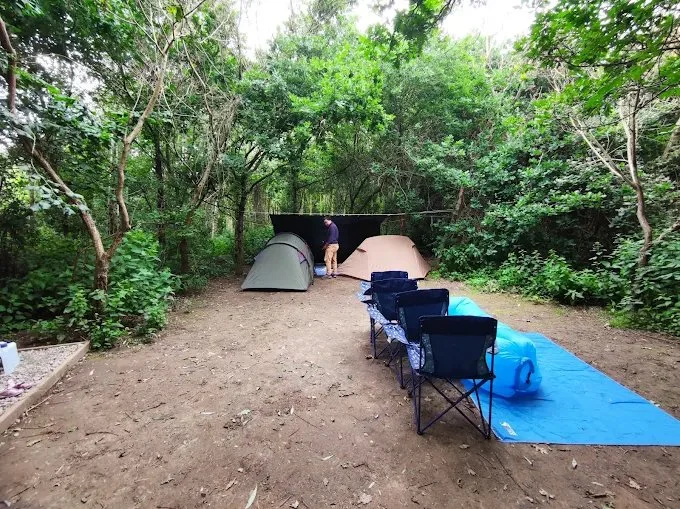
Conservation in action
Practical habitat work is already part of everyday life at Fire & Stars. We have installed two barn owl boxes, two tawny owl boxes and twenty nesting boxes for smaller woodland birds, alongside bug hotels and hibernacula that provide shelter for insects, amphibians and other wildlife.
Wildflower seeding along rides and glades, four honey bee hives and the careful retention of deadwood add further variety. Each measure is modest on its own, but together they help a young plantation develop the layers, refuges and food sources of a more mature woodland.
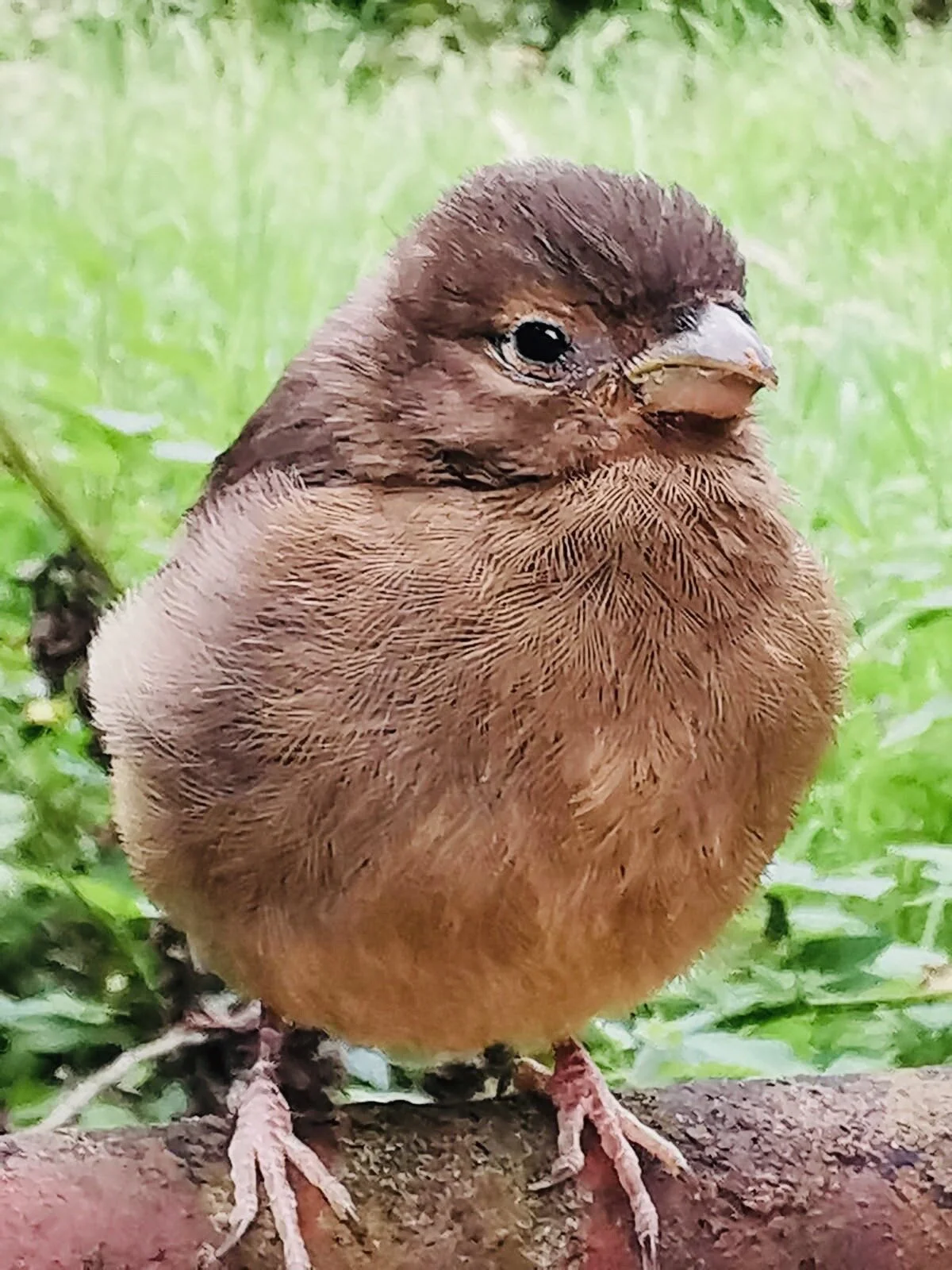
A woodland to discoverConservation
& Wildlife
A 48-acre woodland being cared for as a living habitat, with practical improvements for birds, pollinators, insects and the wider woodland ecosystem.
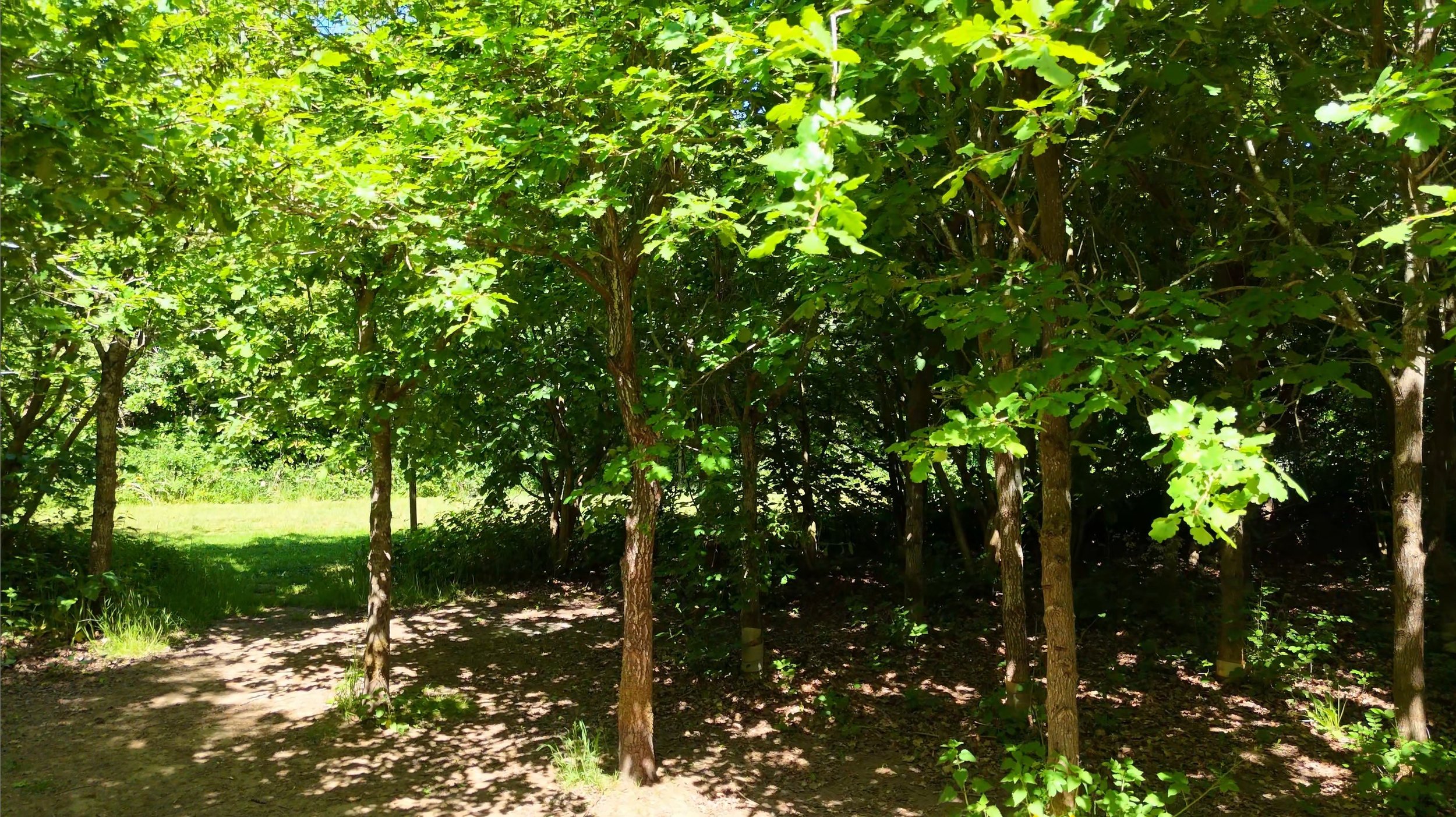
Making space for nature
Nethercote Wood was planted in 2005. Like many young plantations, it began with a relatively simple structure. Our aim is to help it develop into a more varied, resilient woodland with more places to nest, shelter, feed and move.
That means protecting what already works, adding missing habitat features and allowing natural processes to play a greater role. Nesting boxes, hibernacula, wildflower edges, deadwood and bee hives are all part of that practical approach.
Conservation here is not a one-off project. It is part of how the woodland is cared for every day.
What we are doing
Each measure supports a different part of woodland life. Together they build the variety a healthy woodland needs.
Owl & bird boxes
Dedicated boxes provide secure nesting and roosting spaces for barn owls, tawny owls and smaller woodland birds.
Bug hotels
Ten bug hotels add dry cavities and varied materials where solitary insects can shelter, breed and overwinter.
Hibernacula
Four purpose-built refuges of logs, stone and natural material offer protected places for amphibians and other small wildlife.
Wildflower edges
Wildflower seeding along rides and glades increases seasonal nectar, pollen and food sources at the woodland edge.
Woodland honey bees
Four managed hives contribute to pollination while helping us tell the story of woodland plants, seasons and food webs.
Deadwood habitat
Where it is safe, standing and fallen deadwood is retained as a valuable habitat for fungi, insects and cavity-nesting species.
Look closer
The woodland changes every week. Listen for drumming woodpeckers, watch the rides for butterflies and notice the fungi, mosses and smaller lives that make the woodland work.
Wildlife sightings are never guaranteed, but slowing down and looking carefully is part of the experience.
What to look for
Every visit reveals a different side of Nethercote Wood. These are a few of the seasonal signs worth watching and listening for.
Spring
Birdsong, fresh leaf growth, blossom and the first active pollinators along sunny woodland edges.
Summer
Butterflies, bees, bats at dusk and a dense green canopy filled with movement and sound.
Autumn
Fungi, berries, changing leaves and woodland creatures gathering food before winter.
Winter
Clear views through the trees, visible nest boxes, animal tracks and the structure of the woodland itself.
Enjoy it gently
Visitors help protect the woodland by keeping to marked routes where asked, leaving habitat features undisturbed, taking litter home and observing wildlife from a respectful distance.
Simple choices make it possible for people and wildlife to continue sharing this place.
From conservation to long-term restoration
These practical improvements sit alongside a wider programme to respond to ash dieback, diversify the woodland and secure healthier habitats for the future.